10 Tips You Need to Know to Keep Your AC Energy-Efficient
According to the Department of Energy, one of the largest portions of a household’s utility bills comes from the use of heating and cooling systems. During the summer, you might have your air conditioner running all day, every day to keep your family cool and comfortable. That’s why it’s so important to keep your AC running as efficiently and inexpensively as possible.
According to the Department of Energy, one of the largest portions of a household’s utility bills comes from the use of heating and cooling systems. During the summer, you might have your air conditioner running all day, every day to keep your family cool and comfortable. That’s why it’s so important to keep your AC running as efficiently and inexpensively as possible.
Here are a few tips to be sure that your cooling system is running at its best all summer long.
Schedule routine maintenance
Cooling professionals can’t stress enough to homeowners how important it is to have annual maintenance performed on their air conditioners. Not only are potential problems caught and taken care of before they result in a breakdown, but the units are also cleaned and cleared of built-up dust and debris. A build-up inside your air conditioner can affect its efficiency, causing the system to work harder than it should to keep your family cool.
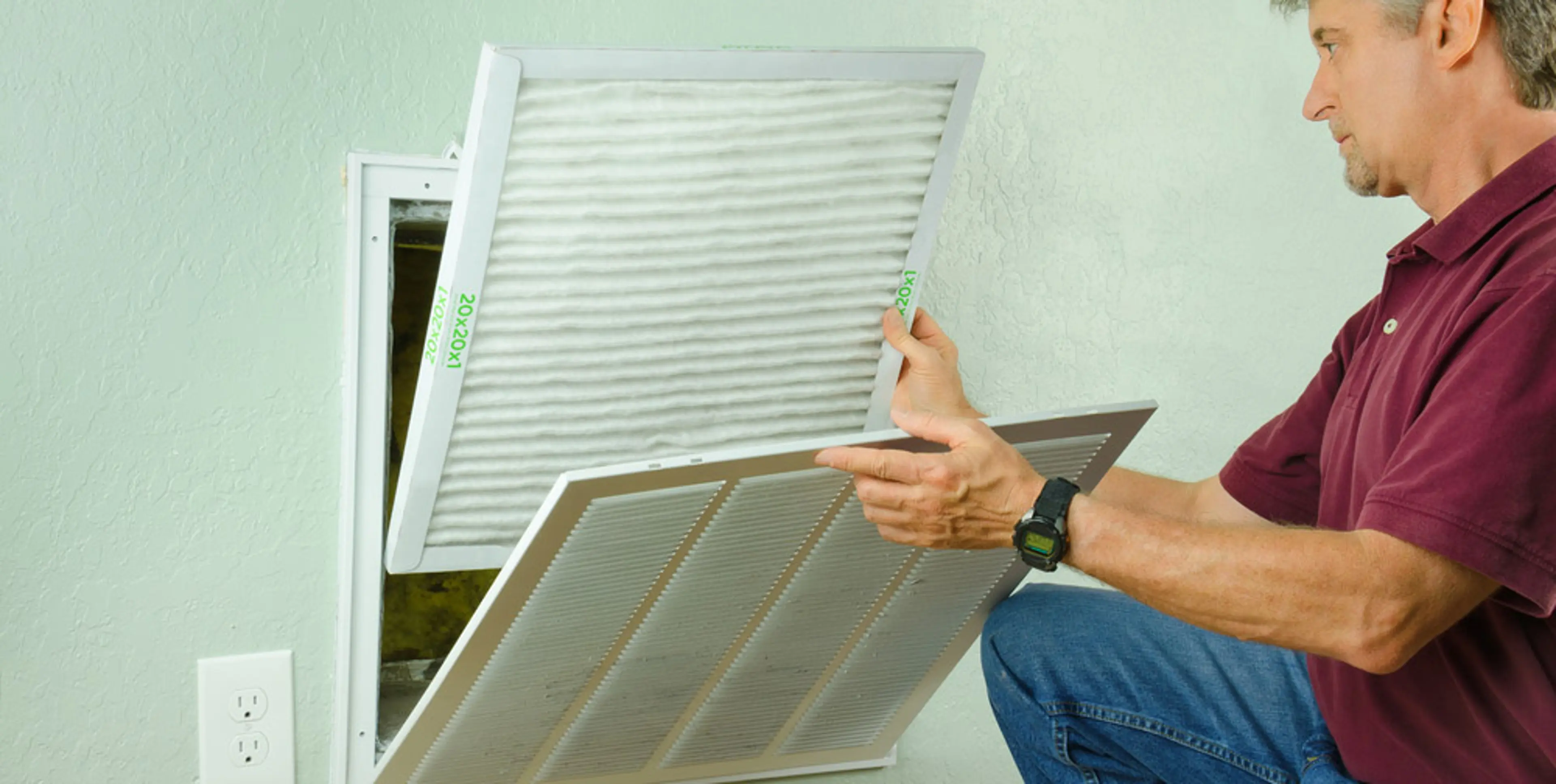
Also, be sure that you’re changing your air filter as often as is recommended by your cooling system’s owner’s manual. Failure to do so may result in compromised indoor air quality, and an air conditioner that struggles to push cool air through a clogged filter.
Prevent the hot sunlight from getting inside
Even though you may love letting natural light inside your rooms on a bright summer day, all this sunlight can cause the inside of your home to get very warm. This rise in temperature will signal your thermostat to tell the AC to cycle on more often during the day. All this use will cause your energy bills to climb, and it also puts excess strain on your system and may lead to premature wear and tear.
Don’t use the oven during the hottest parts of the day
When preparing meals, try to steer clear of using the oven or cooktop during the warmest parts of the day. Using these kitchen appliances will warm the inside of your home and signal your AC to switch on. If possible, cook meals on an outdoor grill, eat foods that don’t need to be warmed, or try and wait until later in the day after the sun has gone down if you MUST prepare a hot meal. Don’t forget – lighter meals like salads and sandwiches are perfect in the summer since they don’t raise your body temperature as much as heavier, dense meals – like steak and potatoes.
Keep vents clear
Check every room in your home to be sure that the vents are clear of furniture, curtains, toys, rugs, and so on. A blocked vent prevents airflow into your living spaces, and this could cause your home to have a higher than normal temperature, thus signaling your air conditioner to cycle on more often than what’s necessary. In addition to keeping vents clear of debris, you should also regularly vacuum them to prevent a build-up of dust. You don’t want dust particles blowing around the room when your AC is running. This can cause problems for anyone in your home with allergies.
Adjust your thermostat settings
Raise the temperature on your thermostat by a few degrees during the summer. This will help to decrease the amount of time your air conditioner runs during the day. The opposite is true during the winter when you lower your thermostat by several degrees. Keep in mind that these adjustments are much easier with the use of a programmable thermostat.
Routinely clean your AC drain line
The AC drain line can become blocked and leak into your basement, crawl space, or garage, depending on where it’s located. The drain line is often found above a home’s heating system. It can be cleaned by pouring one cup of water and one cup of vinegar or bleach into the line. This flushes out built-up debris that could potentially cause a clog.
Keep the area clear around your condenser
This is the outdoor part of your air conditioning system. You need to keep at least 2 feet clear around the unit. Be sure that tree limbs and bushes are not growing too close as they can obstruct air flow and may damage the condenser during a severe storm. Also, do not store anything such as watering pots, boxes, or lawn equipment on top of the unit.
Remove heat producing items away from the thermostat
If you have lamps, candles, TVs or anything that generates heat too close to the thermostat, it could cause it to incorrectly gauge the temperature inside your home. In turn, this will lead to your air conditioner cycling on and off more than normal during the day.
Check your ductwork
Perform a visual inspection of the ducts in your home to be sure there aren’t any spots where conditioned air can leak out. You may need the assistance of a heating and cooling professional to locate all areas of air loss. Consider adding a layer of insulation to any exposed spots.
Shut the AC off at night
This doesn’t necessarily make your unit more efficient, but it will help you to cut back on your monthly energy bills. Rather than running your air conditioner all night, open your windows to let in the fresh night air.
Let us help you protect your air conditioner
While you do what you can to keep your cooling system efficient, American Water Resources can help you get your unit back in working order if it experiences a breakdown. Our Cooling System Repair Program covers repairs to a variety of AC components, including the blower motor, fan, relay, circuit board, and more. Want more information? Give us a call at 855-800-5195.